How Much Does Bezel Material Change Value on a GMT-Master II?
The Rolex GMT-Master II is one of the most iconic luxury watches ever produced, cherished not only for its robust utility as a dual-time zone watch but also for its striking bezel configurations. Among collectors and enthusiasts, the question often arises: how much does bezel material impact the value of a GMT-Master II? In this article, we break down the nuances behind bezel material impact, using market-based valuation tools, exploring the effects of discontinuation, collector preferences, and other pivotal factors that drive GMT configuration pricing.
The Iconic Rolex GMT-Master II and Its Bezel Variants
The GMT-Master II line has evolved considerably since its launch. While the watch’s core functionality remains consistent—tracking multiple time zones—Rolex has experimented with bezel materials and colors extensively. From aluminum inserts to Cerachrom ceramic, and metals such as gold or stainless steel bezels, each variation carries distinct collector appeal and value implications.
Why Bezel Material Matters to Collectors
- Visual identity: The bezel is the most immediately noticeable part of a GMT-Master II, setting the watch’s character.
- Durability: Materials like Cerachrom ceramic resist scratches and fading far better than aluminum.
- Rarity: Some bezel materials were produced in limited runs or discontinued, making them scarce collectibles.
Key Themes Influencing Value
Several interrelated factors contribute to the pricing variations driven by bezel material, including:
1. Discontinuation Creates a Finite Supply
When Rolex retires a particular bezel type or configuration, its supply instantly becomes finite. For example, the aluminum "Pepsi" bezel inserts found on vintage GMT-Master II models are no longer produced, which makes them highly coveted among die-hard collectors who value patina and historical character.
2. Demand Often Rises After a Model Is Retired
Collectability commonly surges once a bezel variant is discontinued—demand spikes as buyers realize the only way to own that configuration is through the pre-owned market. This has led to remarkable price increases in examples like the GMT-Master “Root Beer” bezel or the original aluminum "Pepsi."
3. Configuration Details Drive Price Swings
Beyond just the bezel material, the specific configuration—including bezel color combination, dial variations, production year, and even case metal—significantly affects market value. For instance, a vintage 1675 GMT-Master II with a gilt dial and red/blue aluminum bezel typically commands higher prices than a stainless steel bezel from the same era.
4. Complete Sets Earn Premiums
GMT-Master II watches sold with their original boxes, papers, and matching accessories rolex valuation checklist consistently fetch substantial premiums. Completeness is a major trust factor for buyers and significantly impacts auction and resale prices.
Using Market-Based Valuation Tools
To accurately gauge how much bezel material affects a GMT-Master II’s value today, we rely on market-based valuation using current comparable sales. This process takes into account:
- Reference number: Identifying the exact model and production specifics.
- Dial and bezel configuration: Including color, material, and any unique markings.
- Production years: Age and era impact both rarity and condition norms.
- Completeness: Presence of box and papers, original tags, and warranty cards.
- Service history: Whether the watch has been serviced by Rolex or independent experts.
Analyzing recent auction results, secondary market listings, and private sales using this multidimensional data allows sellers and collectors to price watches competitively and fairly.
Case Study: The $17.8 Million GMT-Master II – An Extreme Example
While GMT-Master II watches typically sell in the range of thousands to tens of thousands of dollars depending on configuration, it’s worth highlighting the dramatic extremes that collectible Rolexes can command. In 2017, Phillips auctioned a unique Rolex Daytona, not a GMT-Master II, for a jaw-dropping $17.8 million. This serves to illustrate how the combination of rarity, provenance, and highly desirable components (sometimes bezel-related) can explode value.
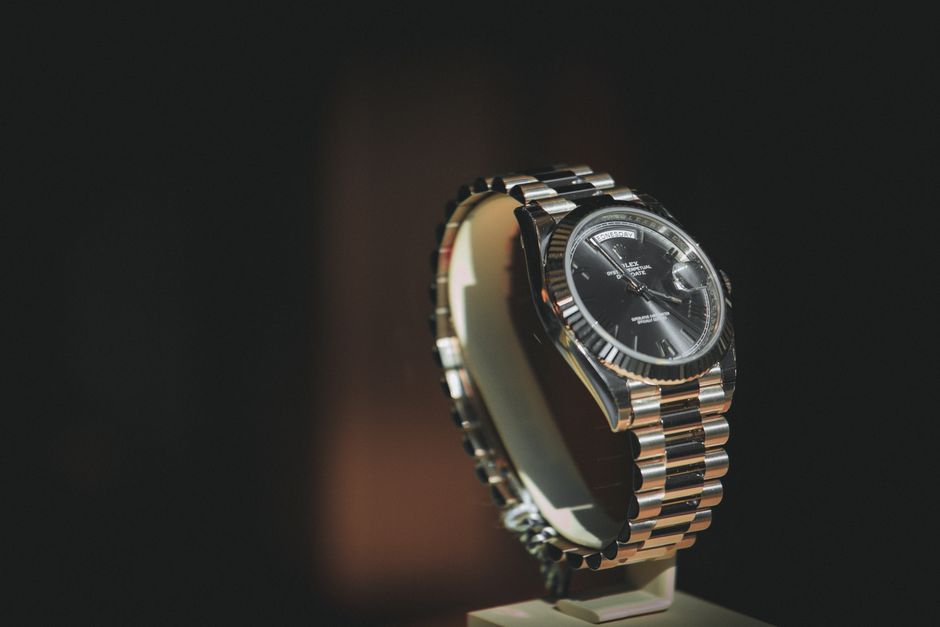
Though no GMT-Master II has reached this stratosphere, collectors seriously consider bezel material impact when evaluating rare, vintage, or one-off pieces. The finite nature of discontinued bezels and configurations fuels value appreciation, culminating in striking auction results on rare occasions.
Detailed Breakdown: How Bezel Material Drives Value on GMT-Master II
Bezel Material Collector Appeal Durability Typical Price Impact Example Model Aluminum Insert High (Vintage enthusiasts) Moderate (Prone to fading and scratches) +15-25% premium for discontinued color combos GMT-Master 1675 “Pepsi” (1960s-80s) Cerachrom Ceramic Very High (Modern collectors) Excellent (Scratch and fade resistant) +10-20% for rare two-tone colors like “Pepsi” or “Batman” GMT-Master II 116710 “Batman” Solid Gold High (Lux collectors) High (Highly durable and prestigious) +30-50% over steel models GMT-Master II 116718LN Yellow Gold Platinum Very High (Elite collectors) Exceptional +50-80% premium, very scarce Rare custom variations or special editionsAdditional Factors Moderating Bezel Material Impact
It’s important to note that bezel material alone does not completely define a GMT-Master II's value. Other nuances include:

- Condition: Scratches, chips, and fading can decrease value, particularly for aluminum bezels where patina may either enhance or detract depending on collector preference.
- Service History: Watches serviced by Rolex tend to retain better value, though over-polishing can harm desirability.
- Box & Papers: Presence of original documentation can add 10-30% to resale prices.
- Provenance: Celebrity ownership or historical significance sometimes trumps material considerations entirely.
Collector Preference Bezel Trends in 2024
Currently, collector preferences show robust demand for classic and nostalgic bezel configurations:
- Vintage Aluminum “Pepsi” bezels: These continue to see demand despite their fragility, due to their authentic vintage charm.
- Modern Cerachrom “Batman” bezel (black & blue ceramic): Popular for its sharp aesthetics and durability.
- Root Beer and other unique two-tone bezel materials: Increasing collector interest due to rarity and bold styling.
Conclusion: Evaluating GMT Configuration Pricing with Bezel Material in Mind
The bezel material impact on GMT-Master II value is far from trivial. Discontinuation, collector preference, configuration details, and the presence of original accessories combine to produce dynamic pricing swings in the secondary market. Armed with a detailed market-based valuation approach considering all relevant inputs—from reference and dial to bezel and completeness—buyers and sellers can better navigate the nuances of GMT-Master II collecting.
Whether you favor the classic aluminum inserts or the modern robustness of ceramic, understanding how bezel materials influence desirability and pricing is essential for any serious collector or investor in 2024.
For more insights about luxury watch valuation and collecting trends, explore our other blog posts and market reports.